
НТУГ-ын инженер, мэргэжилтнүүд барилгын салбарын 100 жилийн ойн шагнал хүртлээ
Дулааны тавдугаар цахилгаан станцын нийт барилга угсралтын ажил 16 хувьтай хэрэгжиж байна
НҮБ-ЫН ЦӨЛЖИЛТТЭЙ ТЭМЦЭХ ТУХАЙ КОНВЕНЦЫН ТАЛУУДЫН 17 ДУГААР БАГА ХУРЛЫН ҮЕЭР НИЙСЛЭЛД ХЭРЭГЖИЖ БУЙ ТОМООХОН ТӨСЛҮҮДЭЭ 3000 ГАРУЙ ИРГЭДЭД ТАНИЛЦУУЛЛАА
Сүхбаатар, Сонгинохайрхан дүүргийн иргэдэд нийслэлийн бүтээн байгуулалтын төслүүдийг танилцууллаа
Хөрсний ус, үерийн хамгаалалтын төсөл хэрэгжсэнээр 128 мянга хүртэлх хүн амд нөлөөлөх үерийн эрсдэл буурна
“Байгалийн хийн түлшний хангамж, хийн эрчим хүчний эх үүсвэр” төслийг Төр, Хувийн хэвшлийн түншлэлээр хэрэгжүүлэх түншлэгчээр оролцох саналаа ирүүлэхийг урьж байна


IMPACT ASSESSMENT ON SOIL DURING THE CONSTRUCTION PHASE OF THE METRO PROJECT

Within the framework of the Detailed Environmental Impact Assessment (DEIA) for the "Ulaanbaatar Metro" project, a comprehensive assessment was conducted to evaluate the potential impacts on soil cover during the construction phase.

Baseline Soil Conditions

The assessment of impact levels across the various soil types identified in the study area indicates the following:
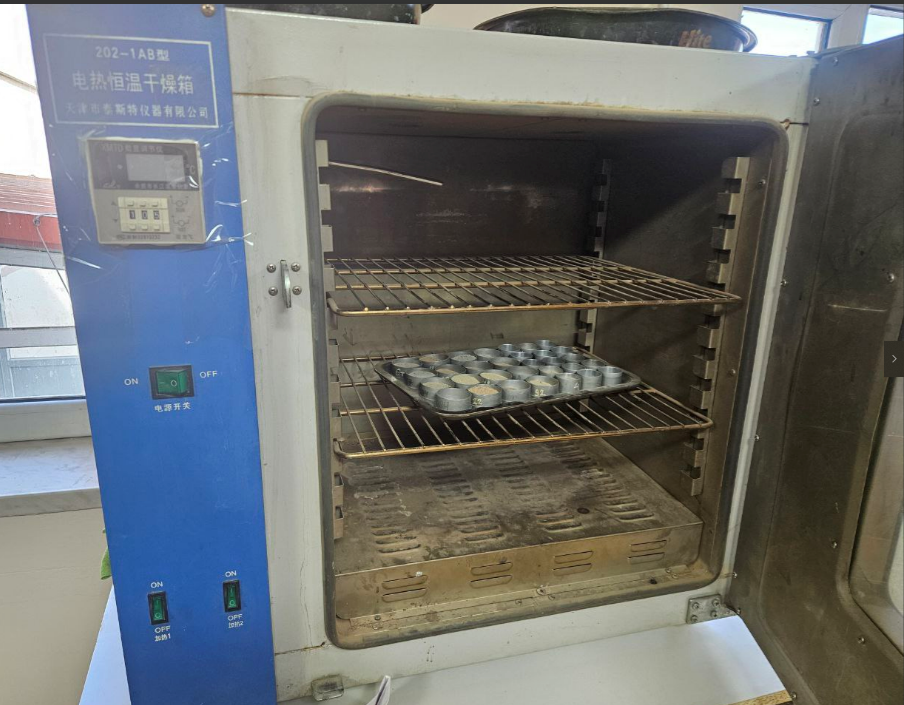
  • Anthrosol Soil: Additional impact is Low;
  • Meadow-Permafrost Soil: Potential impact is Low;
  • Dark Brown Soil: Potential impact is rated as Medium.

Impacts During the Construction Phase

The following environmental impacts may arise during the construction process:

  • Alteration of soil structure and geomorphology;
  • Changes in the chemical and physical properties of the soil;
  • Soil contamination and associated ecological risks;
  • Increased soil erosion, degradation, and compaction.

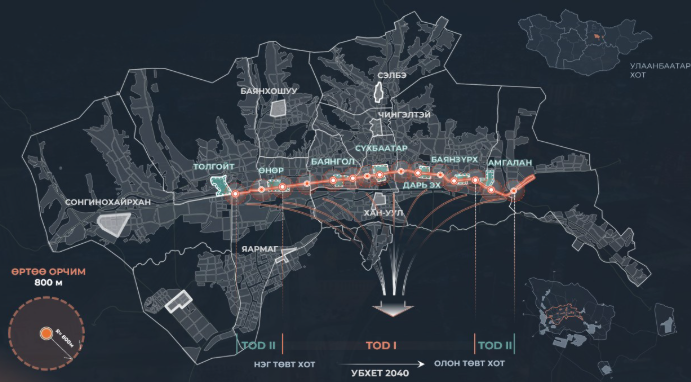
In particular, excavation and earthworks for the depot, stations, and tunnels are expected to have the most significant effect on the soil. Given that the project spans a total of 19.4 km and involves extensive excavation and backfilling, there is a substantial risk of soil erosion and structural damage.
Mitigation Measures

To minimize the negative environmental footprint on soil, the following measures have been planned:

Preventive Measures:

  • Stripping and separately stockpiling fertile topsoil for future use;
  • Conducting regular monitoring of soil quality;
  • Strictly prohibiting the open disposal of waste;
  • Implementing spill prevention protocols for hazardous substances;
  • Utilizing designated, controlled routes for transport vehicles.

Mitigation & Restoration:

  • Executing construction work strictly according to approved designs under authorial supervision;
  • Rehabilitating and reclaiming any soil affected by construction;
  • Implementing site organization strategies to prevent pollution;
  • Recycling surplus soil for reuse in land reclamation and landscaping.
Conclusion

While the potential impact on soil during the construction phase of the Metro project is significant in scale, it is concluded that these negative effects can be effectively mitigated by implementing the planned environmental management and reclamation measures.