




Due to the decision to finance the project through external funding sources, particular attention is being given to environmental and social impacts. In accordance with the relevant laws and regulations of Mongolia, a Detailed Environmental Impact Assessment (DEIA) has been completed. In addition, the following documents have been prepared in compliance with the requirements of international financing institutions:
Full Environmental and Social Impact Assessment (Full ESIA)
Environmental and Social Management Plan (ESMP)
These documents were jointly prepared by the Project Management Consultant, Dohwa Engineering Co., Ltd., international partner Inogen Alliance, and local company Eco Natur LLC, and were completed on November 28, 2025, in compliance with the applicable requirements.
The Environmental and Social Impact Assessment (ESIA) of this project has been prepared not only in compliance with the legal framework of Mongolia but also in alignment with the requirements of international financial institutions. These include the IFC Performance Standards (PS1–PS8), Equator Principles IV (EP4), as well as environmental and social safeguard standards adopted by international development banks and financial institutions.
Within the ESIA, a gap analysis was conducted to compare the Mongolian environmental assessment system with international standards. Identified gaps have been addressed through additional studies, monitoring, and the development of comprehensive environmental and social management plans. These include multi-season baseline surveys, climate risk assessments, stakeholder engagement planning, and grievance redress mechanisms in line with international best practices.
As a result, the project meets the requirements of international banks and investors, incorporating a robust risk management system and ensuring transparent and accountable implementation.
Air pollution in Ulaanbaatar has reached critical levels, with an annual average PM2.5 concentration of approximately 41 μg/m³, which is 2–3 times higher than international guideline values. Road traffic is one of the key contributors to this pollution, and the high reliance on private vehicles has further exacerbated the situation.
Baseline noise levels along the project corridor range between 55–75 dB, with certain sections exceeding permissible standards. This indicates that the project is being implemented within an already high-impact urban environment.
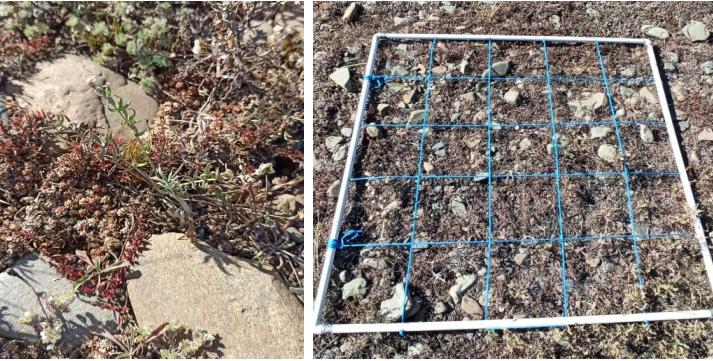
Within the project’s area of influence, a total of 6,337 trees and shrubs representing 22 species have been recorded. The majority of these are urban landscaping species. Among them, 359 trees have been identified as suitable for transplantation, while the remaining vegetation will be subject to restoration measures. No rare or protected plant species were identified within the project area.
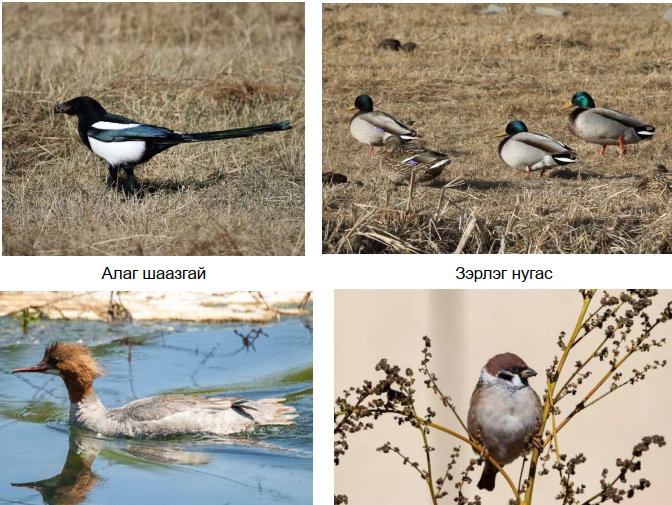
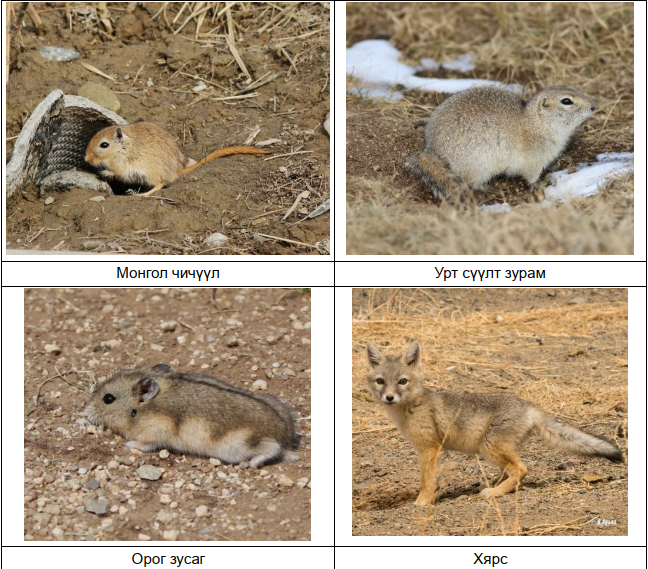
Faunal surveys identified 14 species of mammals, primarily consisting of small urban-adapted animals. No internationally protected or endangered species were recorded. Therefore, the project’s impact on biodiversity is expected to be localized and limited to the immediate construction footprint.
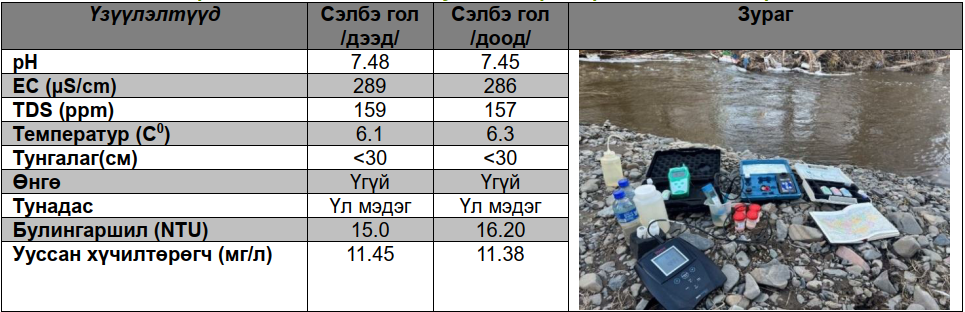
The Selbe and Uliastai rivers are located near the project area; however, construction activities will not directly intersect with these water bodies. Nevertheless, deep excavation works may affect groundwater conditions. Therefore, appropriate dewatering and groundwater protection systems have been incorporated into the project design.
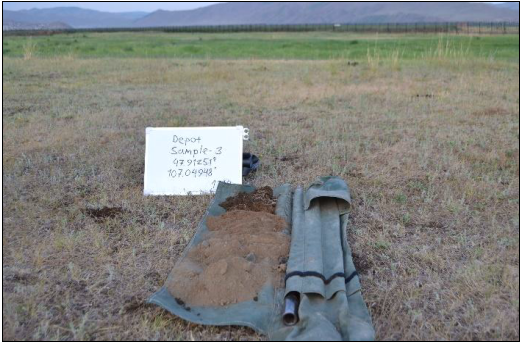
Soil conditions are characterized by loose materials, with some areas exhibiting frost-susceptible characteristics. Accordingly, specialized engineering solutions are required and have been integrated into the construction design.
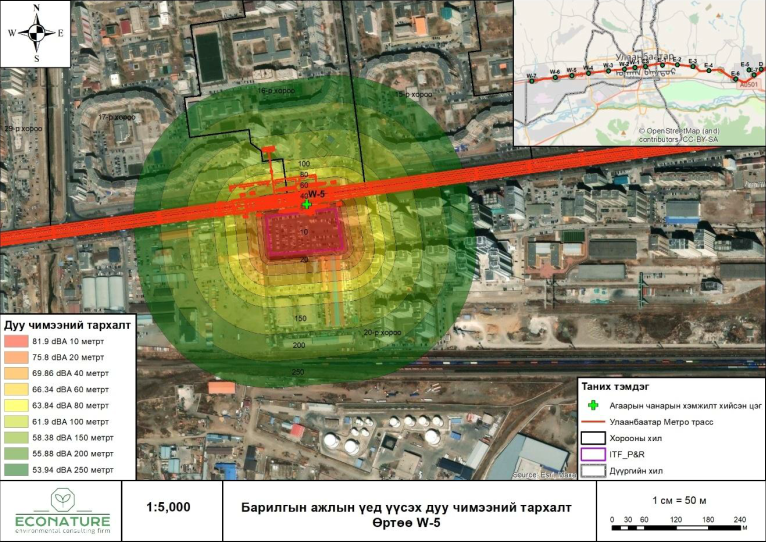
During the construction phase, noise levels are expected to increase due to heavy machinery, generators, and excavation activities. However, these impacts are temporary in nature.
During operation, as the metro system is predominantly underground, surface-level noise impacts are expected to be relatively low.
Vibration impacts have been assessed using international methodologies, including RMS indicators and FTA standards. While construction activities may generate temporary vibration, the use of Tunnel Boring Machine (TBM) technology will minimize these effects. During operation, vibration levels are expected to be very low, with additional mitigation measures such as track isolation systems implemented where necessary.
A comprehensive environmental and social management system has been developed in accordance with international standards, with the Environmental and Social Management Plan (ESMP) serving as the key implementation framework.
During construction, dust emissions will be controlled through regular water spraying, covered transportation of materials, and improvement of temporary access roads. Noise impacts will be mitigated through the use of noise barriers, restrictions on nighttime construction, and the use of low-noise equipment.
Vegetation impacts will be managed through tree transplantation, post-construction restoration, and enhancement of urban green spaces. Groundwater impacts will be controlled through appropriate drainage and monitoring systems. Vibration impacts will be minimized through the use of TBM technology and track isolation engineering solutions.
Stakeholder engagement will be ensured through the implementation of the Stakeholder Engagement Plan (SEP), which provides formal channels for receiving and addressing public feedback and grievances. In cases where land acquisition or displacement is required, the Resettlement Action Plan (RAP) and Livelihood Restoration Plan will be implemented to safeguard affected people’s rights and livelihoods.
A Traffic Management Plan (TMP) has also been developed to manage construction-related traffic impacts and ensure road safety and traffic flow during the construction phase.
Environmental and social management costs include monitoring, restoration, vegetation transplantation, noise and dust control, stakeholder engagement, and grievance redress mechanisms.
Although these costs represent a relatively small proportion of the total project cost, they are essential for ensuring compliance with international standards and achieving sustainable project implementation.
While the project will result in temporary environmental and social impacts during the construction phase, it is expected to deliver significant long-term benefits. These include reductions in air pollution, traffic congestion, and noise levels, as well as improvements in overall urban living conditions.
The Ulaanbaatar Metro Project is therefore considered a strategically important infrastructure investment for the sustainable development of the city.