1. Receiving, Storage, and Classification of Hazardous Materials
Hazardous materials shall be received on site only by trained and authorized personnel, who shall inspect the packaging, labeling, and physical condition upon delivery, and reject any materials that are unlabeled, damaged, or not accompanied by a Safety Data Sheet (SDS).
All received materials shall be recorded in the inventory system, including details such as material name, quantity, storage location, validity/retention period, and hazard classification, and SDS documents shall be made available at all storage and point-of-use locations.
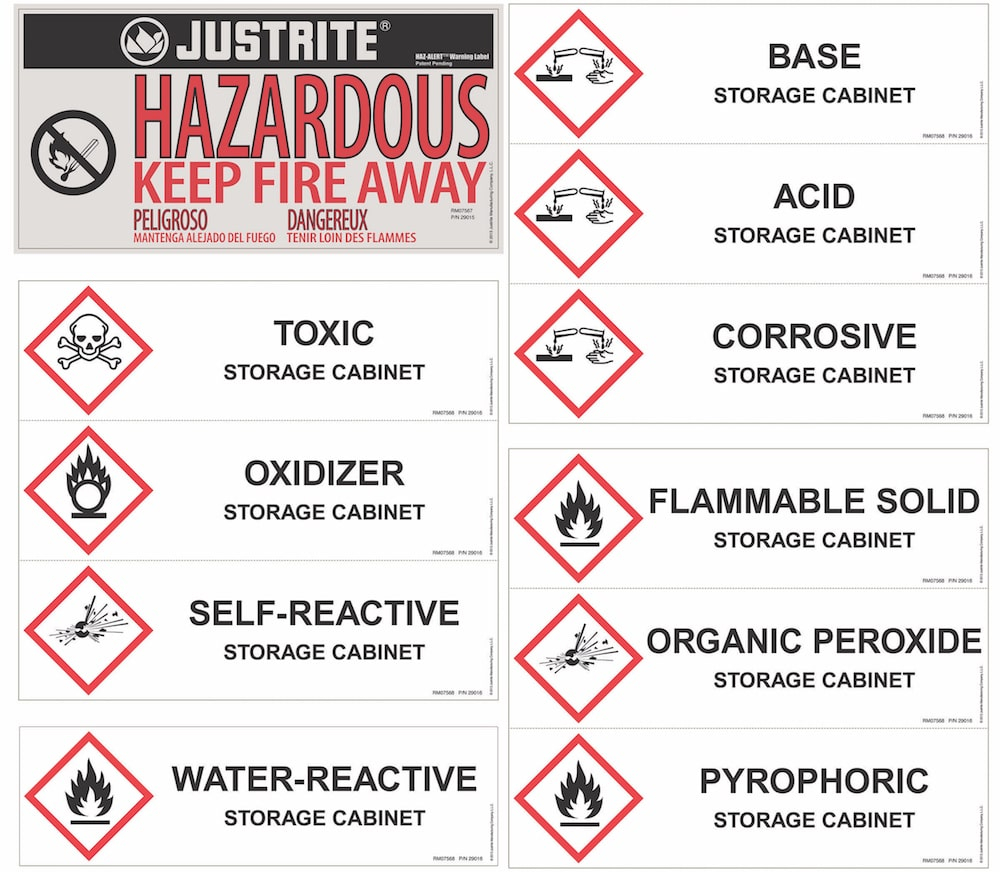
Hazardous materials shall be stored in designated storage facilities and segregated according to their hazard classification, with flammable materials kept away from ignition sources, corrosive substances stored in corrosion-resistant containers, and compressed gases secured in an upright position.
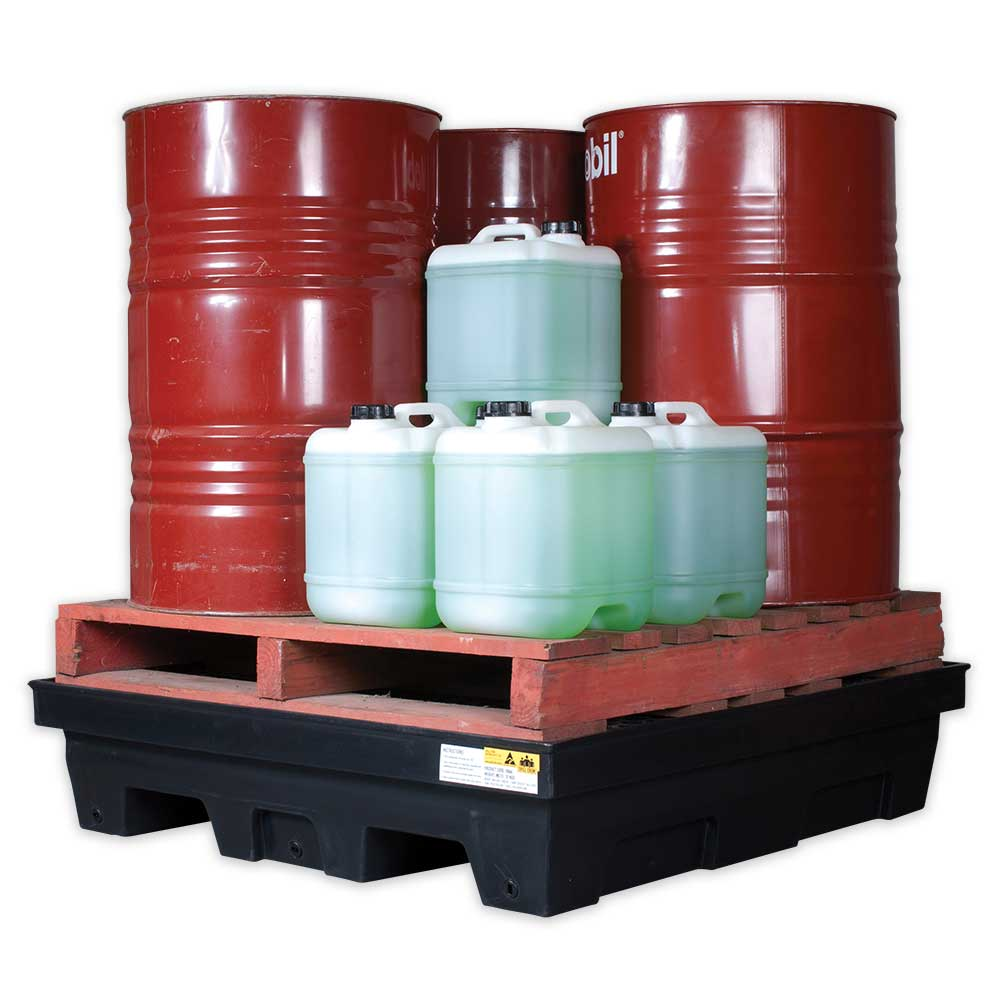
Liquid hazardous materials shall be stored within secondary containment systems (bunds), with a minimum capacity of at least 110% of the largest container or not less than 25% of the total stored volume.
2. Safe Handling and Transfer
Prior to use, personnel shall review the relevant SDS and ensure that appropriate personal protective equipment (PPE) is worn at all times, and under no circumstances shall hazardous materials be handled without the required protective equipment.
Materials shall be transferred using appropriate pumps, hoses, and fittings, and manual pouring or direct decanting between containers shall be strictly prohibited.
Containers, hoses, and connections shall be inspected before and during use, and any leaks or defects identified shall result in immediate cessation of operations until corrective actions have been completed.
Liquid materials shall not be overfilled, adequate expansion space shall be maintained in containers, and all transfer operations shall be conducted within spill-controlled areas (e.g., spill trays or drip trays).
3. Spill Prevention and Response Measures
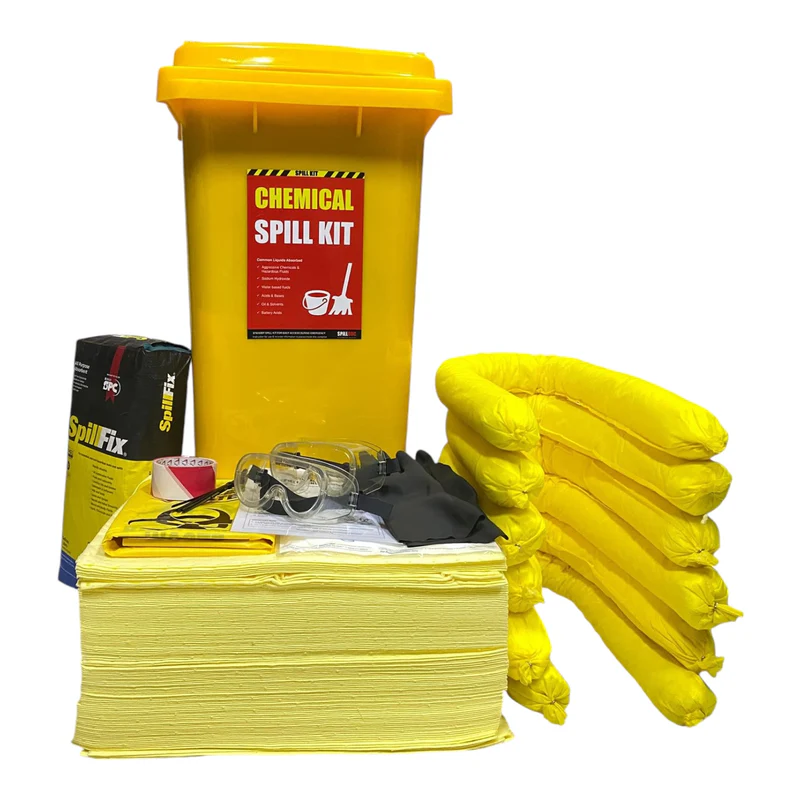
Spill kits, including absorbent materials, sand, and neutralizing agents, shall be provided at all locations where hazardous materials are stored or used, and all personnel shall be trained in their proper use.
In the event of a spill, the affected area shall be immediately isolated, and appropriate measures shall be taken to contain and absorb the spilled material, preventing its release into the surrounding environment, and where necessary, the Emergency Response Plan shall be activated.
Collected spill materials shall be treated as hazardous waste, placed in designated containers, and shall not be discharged into soil or water under any circumstances.
All spill incidents shall be recorded, investigated to determine root causes, and appropriate corrective and preventive measures shall be implemented to prevent recurrence.
4. Hazardous Waste Storage and Management
Used oil, contaminated absorbents, chemical residues, contaminated cloths, and used personal protective equipment shall be classified as hazardous waste and stored in clearly labeled, sealed containers.
Hazardous waste shall be segregated from new materials, shall not be mixed with other waste streams, and shall be transported and disposed of only by licensed and authorized contractors.
All waste tracking and transfer documentation shall be properly maintained, and full traceability of hazardous waste movements shall be ensured.
5. Training, Inspection, and Preparedness
All personnel handling hazardous materials shall be trained in chemical hazards, safe handling practices, first aid, and spill response procedures, and their knowledge shall be periodically refreshed.
Storage areas, containment systems, packaging, and associated equipment shall be inspected on a weekly basis, and any identified deficiencies or leaks shall be rectified immediately.
Hazardous material inventories and storage records shall be updated on a monthly basis to ensure accurate tracking of quantities, locations, and hazard classifications.
All storage and handling areas shall be equipped with fire extinguishers, spill kits, eyewash stations, and first aid equipment, which shall be maintained in a constant state of readiness.
Conclusion
Hazardous materials management shall be implemented in accordance with defined requirements, measurable criteria, and applicable standards, ensuring that storage, handling, monitoring, and waste management are carried out in an integrated manner to effectively minimize risks to human health, safety, and the environment.