1. Emergency Response Measures
Upon identification of an incident or emergency, all activities shall be immediately suspended (within 0–5 minutes), the affected area shall be secured, and personnel shall be evacuated to designated assembly points via safe routes, with first aid provided promptly on site.
Incident information shall be communicated through the established reporting hierarchy within 5–10 minutes, and where necessary, the relevant emergency authorities—including the National Emergency Management Agency, fire brigade, ambulance services, and police—shall be notified without delay.
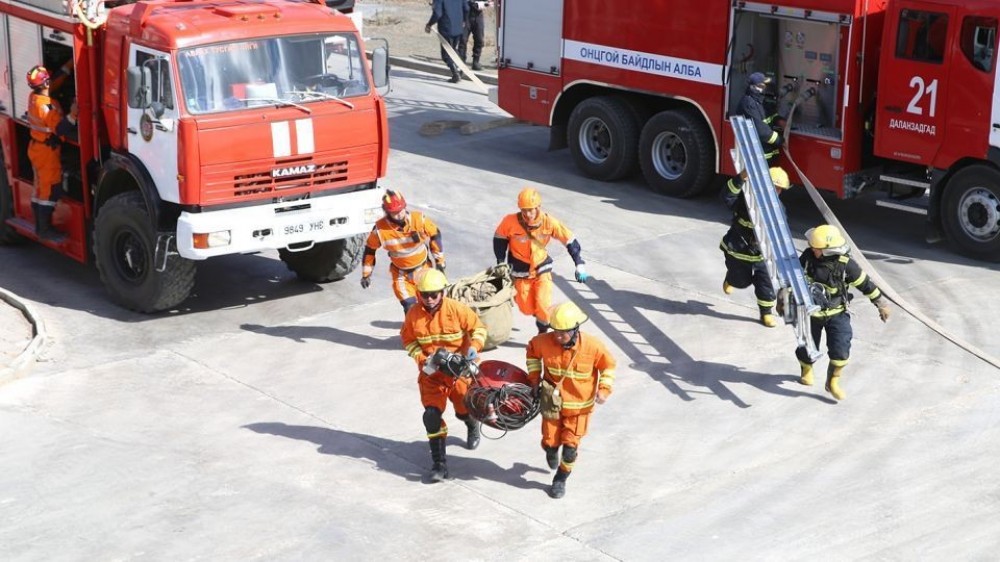
In the case of a major incident, arrangements shall be made to facilitate the arrival of emergency services within 15–30 minutes by clearing access routes and providing accurate, real-time information regarding site conditions and associated risks.
Hazards such as fire, water ingress, hazardous material spills, and electrical risks shall be contained and controlled within 30–60 minutes in order to stabilize the situation and prevent escalation.
Injured persons shall receive immediate first aid and professional medical assistance, and where required, arrangements shall be made to transport them to appropriate medical facilities within one hour.
Following the incident, an initial report shall be prepared within 1–2 hours, a detailed report within 24 hours, and a consolidated analysis, including corrective and preventive measures, shall be completed within 48–72 hours.
2. Coordination with Emergency Authorities
Continuous coordination shall be maintained with emergency authorities, and contact information shall be updated at least on a monthly basis to ensure effective communication during emergencies.
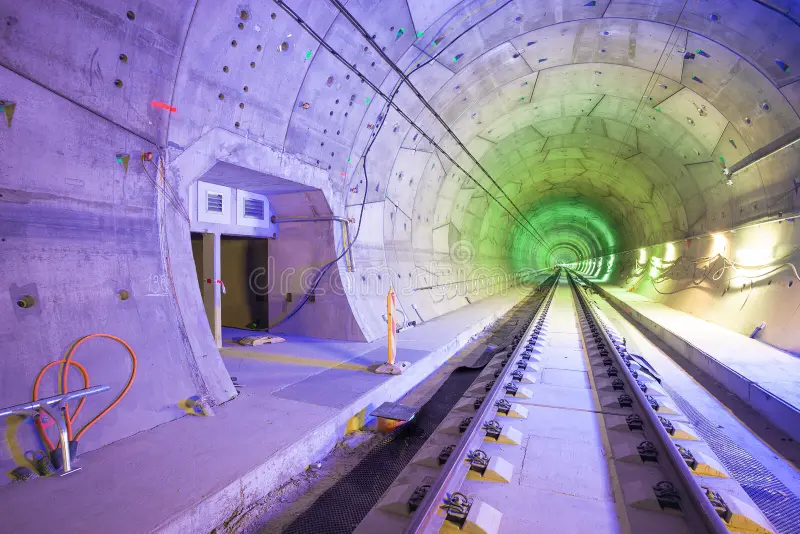
Site layouts, including tunnels, stations, access points, and identified risk zones, together with relevant technical information, shall be shared with emergency authorities on a quarterly basis, and joint site inspections shall be conducted.
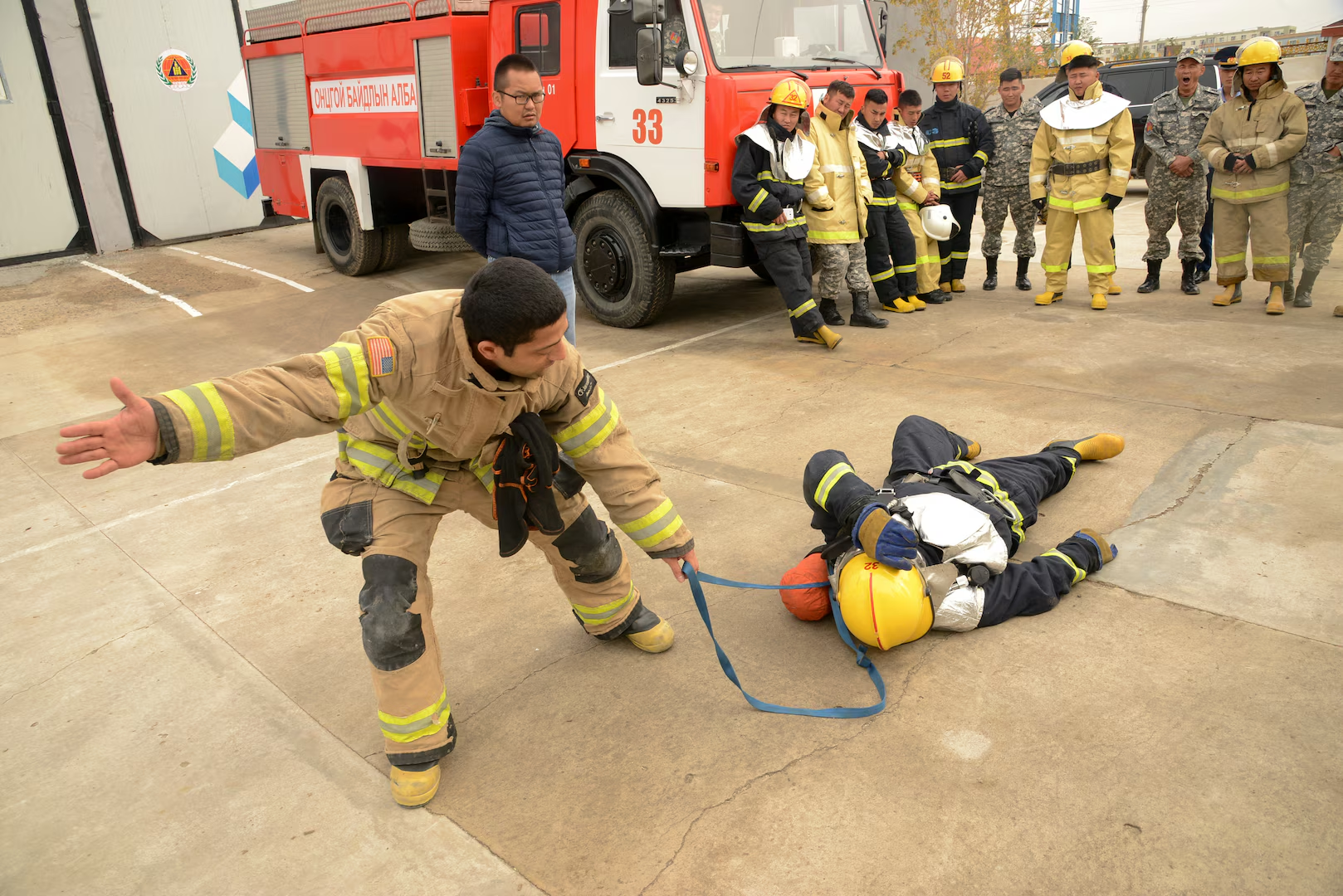
Training and drills, including fire response, rescue operations, and tunnel emergency scenarios, shall be conducted at least once per quarter, while full-scale multi-agency exercises shall be conducted every six months.
Prior to the commencement of high-risk activities—such as tunnelling, deep excavation, dewatering operations, or hazardous material storage—advance notification shall be provided to the relevant emergency authorities at least 24–48 hours in advance, and necessary guidance and support shall be obtained.
Access routes, site entry points, firefighting water sources, and emergency response routes shall be pre-planned in coordination with emergency authorities and maintained in operational condition at all times.
3. Communication and Information Preparedness
An effective communication system shall be established to ensure that initial incident information is transmitted within 5 minutes, followed by structured communication to all relevant stakeholders.
Communication tools—including radio systems, alarm systems, public address systems, and emergency call systems—shall be maintained in a state of readiness, with backup systems available to ensure redundancy.
All public communications shall be verified and authorized by designated authorities and formally released within 1–2 hours through a single, controlled communication channel to prevent misinformation.
Conclusion
Emergency response measures and coordination with emergency authorities shall be implemented as a structured, time-bound, and integrated system based on preparedness, continuous coordination, and operational readiness, ensuring an effective response to emergencies and the protection of human life and safety.