Air, Noise and Vibration Impact Mitigation Measures
As part of the Ulaanbaatar Metro Project, a comprehensive set of mitigation measures has been developed to manage and reduce air pollution, noise, and vibration impacts during both the construction and operational phases, in compliance with international standards.
Baseline studies indicate that within the project area, SO₂ concentrations range between 11–29 µg/m³, NO₂ between 28–104 µg/m³, and total suspended particulates (TSP) between 28–160 µg/m³. These values are below the Mongolian national standards; however, they highlight the need for strict control of additional impacts during the construction phase.
1. Avoidance Measures
Environmental impact avoidance principles are integrated into the planning stage to minimize potential adverse effects at the source. Construction activities that generate high levels of noise and vibration will be restricted in proximity to sensitive receptors such as residential areas, schools, and healthcare facilities.
In addition, construction site layout, material storage areas, and equipment movement routes will be carefully planned to minimize unnecessary disturbance and reduce dust generation risks. The use of low-emission equipment and optimization of construction logistics will further contribute to impact avoidance.
2. Air Quality Management Measures
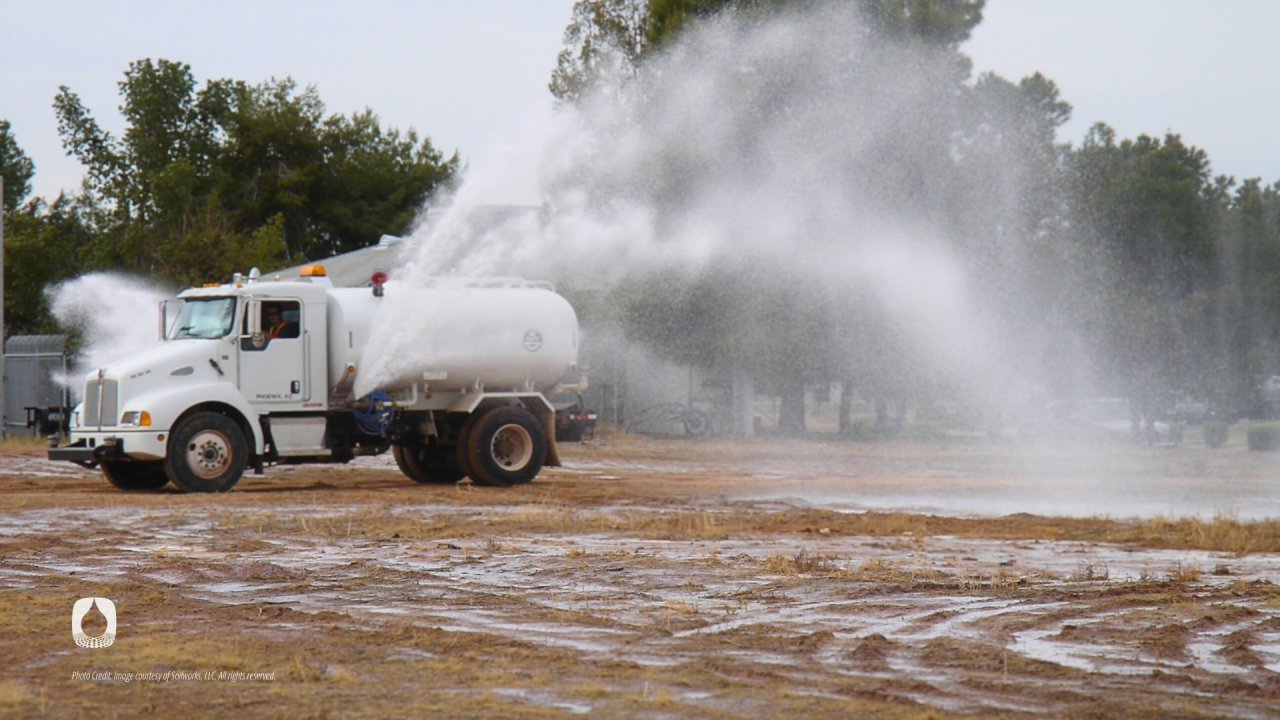
To control dust emissions and air pollution during construction, regular water spraying will be conducted across construction sites and access roads to suppress particulate matter such as PM₁₀ and PM₂.₅.
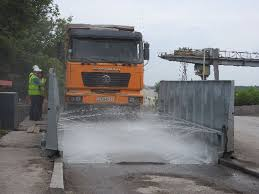
All haulage vehicles transporting materials will be covered, and wheel-washing facilities will be installed to prevent the spread of dust onto public roads. Where feasible, unpaved surfaces will be stabilized or paved to further reduce dust emissions.
Emissions from diesel-powered machinery will be controlled through regular maintenance, use of compliant equipment, and installation of emission control devices where necessary. A real-time air quality monitoring system will be implemented to track pollutant levels and trigger immediate corrective actions if thresholds are approached or exceeded.
3. Noise Management Measures
Baseline assessments indicate that ambient noise levels within the project area range between 59–75 dB(A), reflecting an already elevated urban noise environment.
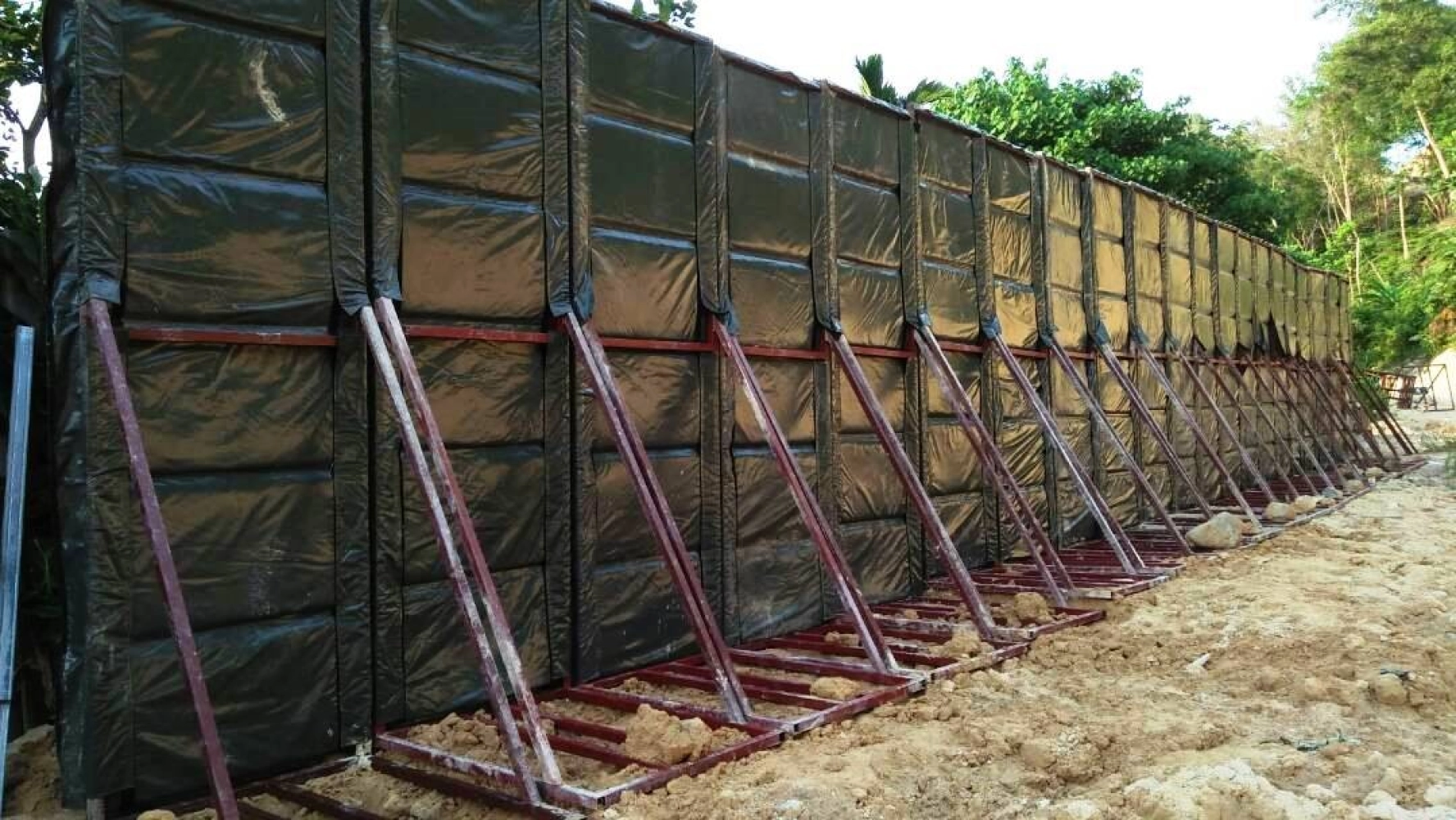
To prevent additional disturbance, high-noise construction activities will be limited to daytime hours. Noise mitigation measures will include the use of acoustic barriers, silencers, and proper equipment maintenance.
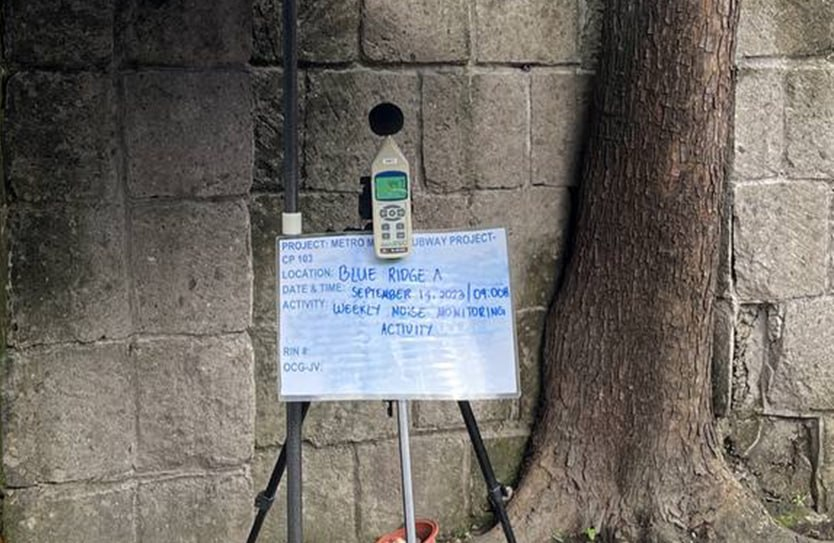
Simultaneous operation of multiple high-noise equipment will be avoided, and idle equipment will be minimized. Noise levels will be continuously monitored using LAeq and LAmax indicators, and any exceedance of permissible limits will result in immediate investigation and corrective action.
4. Vibration Management Measures
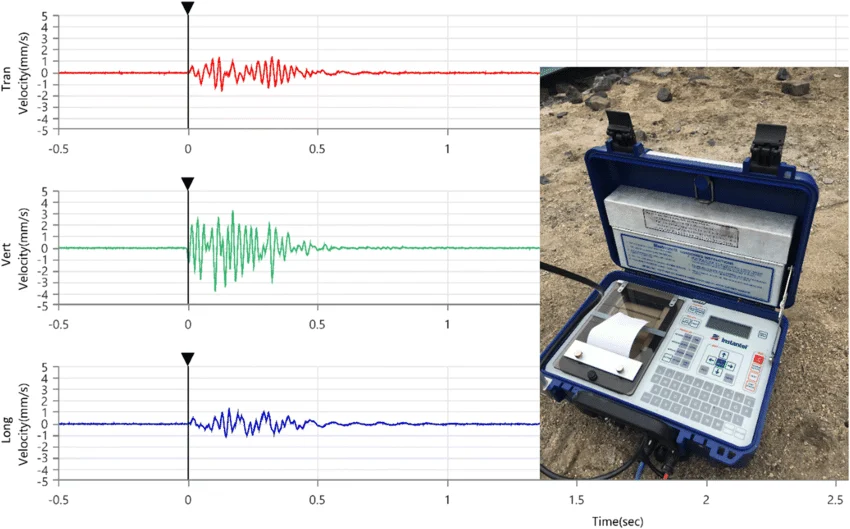
Construction-induced vibration will be monitored using Peak Particle Velocity (PPV) to ensure that levels remain within acceptable limits for both structural safety and human comfort.
In sensitive areas, construction methods may be adjusted, work intensity reduced, or activities temporarily halted if vibration thresholds are approached. Pre-construction condition surveys will be conducted for nearby buildings to document existing structural conditions, including cracks and defects, allowing for ongoing comparison during construction.
5. Monitoring and Control System
An integrated monitoring system will be implemented to continuously measure air quality, noise, and vibration levels throughout the project lifecycle.
In the event of exceedances, a structured response protocol will be activated, including work suspension, root cause analysis, corrective actions, and stakeholder communication.
A Grievance Redress Mechanism (GRM) will also be established to receive and address community concerns, ensuring transparency and stakeholder engagement.
6. Compliance with International Standards
All mitigation measures are aligned with Mongolian regulations as well as international standards, including IFC Performance Standards and the Equator Principles IV.
This ensures that the project is implemented in an environmentally responsible and sustainable manner, consistent with Good International Industry Practice (GIIP).