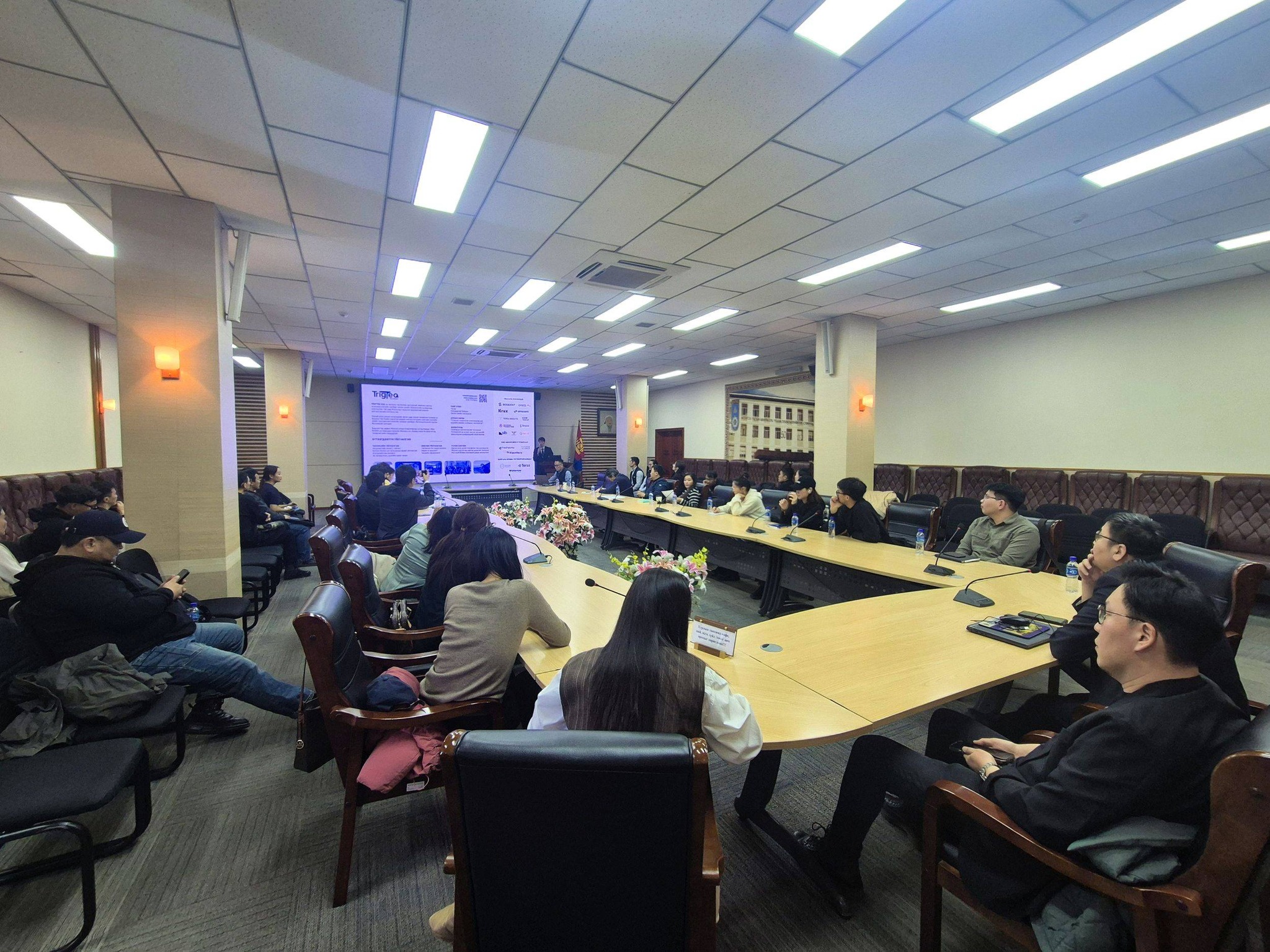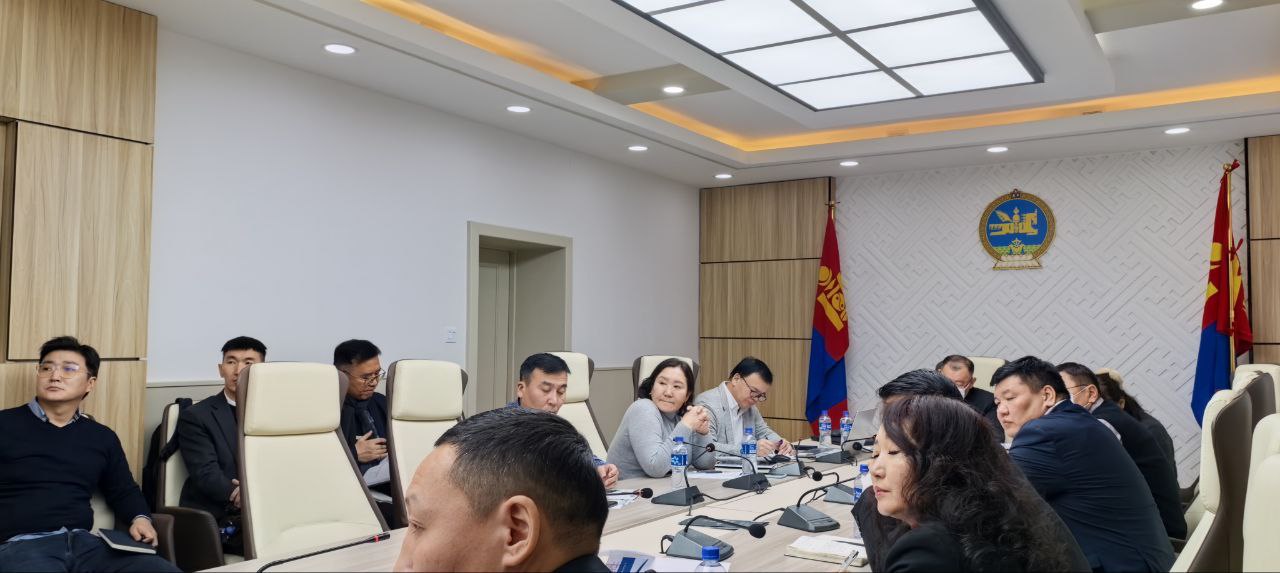

At the opening of the first discussion of the Extraordinary 5th Session of the Citizens’ Representatives Khural (City Council) of the Capital, the updated Feasibility Study (FS) for the Ulaanbaatar Metro Project was reviewed and considered for approval.
By majority vote, the representatives approved the Feasibility Study for the metro project and resolved to submit the draft resolution to the Government of Mongolia. The Chairman of the City Council, A. Bayar, emphasized that the approval of the updated Feasibility Study for the metro project—of national significance—constitutes a historic decision.
The proposal was presented by L. Khosbayar, a representative of the City Council and Coordinator of projects and programs aimed at accelerating finance, economic development, and infrastructure in the capital. The initiative to develop a metro system in Ulaanbaatar dates back to 2011, following Government Resolution No. 411. Subsequently, a two-stage selection process was conducted to engage an internationally experienced project management consultant. As a result, a consortium led by Dohwa Engineering Co., Ltd., together with Korea Railroad Corporation (KORAIL), Soosung Engineering, and Korea National Railway, was selected, and a contract was signed on July 5, 2024, marking the commencement of the project.
The first metro line is planned along Peace Avenue (Enkh-Taivany Avenue), running from Tolgoit to Amgalan, with a total length of 19.4 km, including 15 stations and one depot. Of these, 19.1 km and 14 stations will be underground, while one station will be at ground level. Given that most of the alignment is underground, construction of tunnels and stations will primarily use the cut-and-cover method. The depth of tunnel boring machine (TBM) operations is estimated to range between 10 and 25 meters below ground level.
The project cost estimate has been validated by relevant professional institutions, with the total cost of the first metro line estimated at USD 2.4 billion. Approximately 97.7% of this budget will be allocated to construction works, while the remaining portion will cover project management, land acquisition, and other related expenses. Regarding financing, it is planned that 15% will be funded by the capital city budget, while 85% will be sourced from external financing. Negotiations and discussions with potential funding sources are ongoing.
It was also highlighted that the metro project will comply with 28 Mongolian standards and 56 international standards, while ensuring alignment with relevant legal and regulatory frameworks